
Your Heart is Listening to Every Blood Sugar Spike

Updated: Jul 13
Why insulin resistance is a cardiovascular problem - and why your "normal" labs might be missing it
Most of my patients come in worried about their heart for the obvious reasons — family history, high blood pressure, maybe a cholesterol number that spooked them at their last physical. What they rarely expect to hear is that the real threat may have been quietly building for years in their blood sugar metabolism, long before anything showed up on a standard lab panel.
That's the story of insulin resistance and cardiovascular disease, and it's one I think every woman in her 40s and 50s deserves to understand.
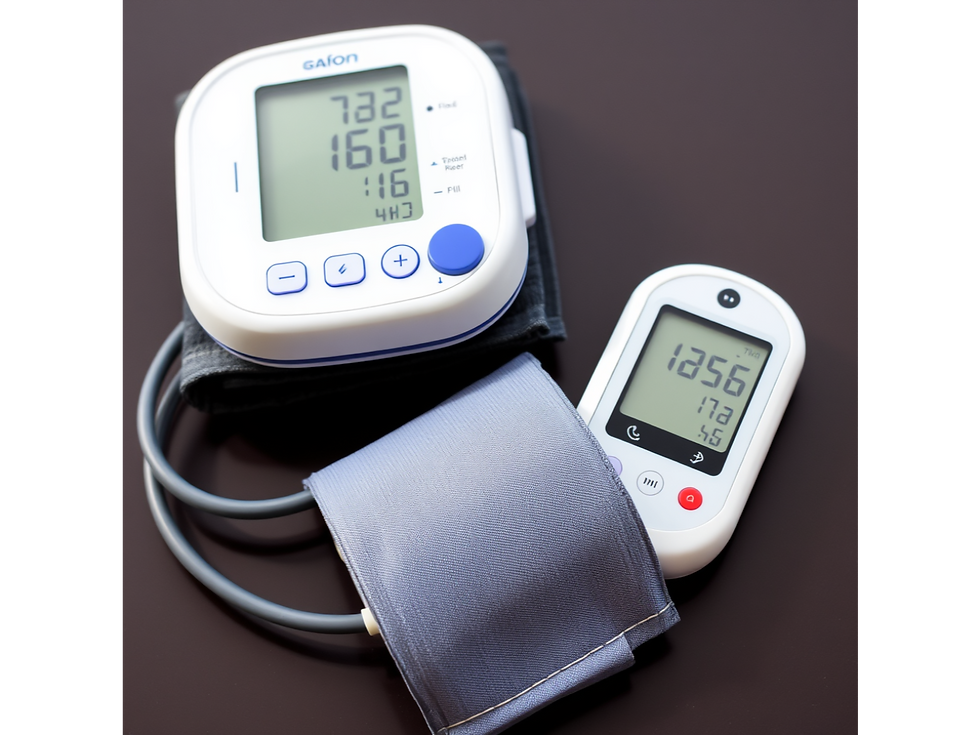
Your Blood Sugar and Your Heart Are Connected in Ways No One Told You
Here's what happens when insulin resistance develops: your cells gradually stop responding to insulin the way they should. Your pancreas, trying to compensate, pumps out more and more insulin to do the same job. Over time, that chronically elevated insulin level — what we call hyperinsulinemia — starts doing real damage to your blood vessels.
The mechanism is actually fascinating, in a concerning sort of way. Normally, insulin works through what's called the PI3K/NO pathway, which keeps your blood vessels flexible and produces nitric oxide — a natural vasodilator that helps your arteries stay open and relaxed. But when insulin levels are chronically high, the action shifts to a different pathway (the MAPK pathway), which drives inflammation, smooth muscle cell growth, and atherosclerosis — the very process that leads to plaque buildup and heart disease.
Think of it like this: insulin, in the right amounts, is protective. Too much of it, for too long, starts doing the opposite.
What This Looks Like Downstream
The cardiovascular effects of undetected insulin resistance compound on each other:
Your arteries lose the ability to dilate properly — a condition called endothelial dysfunction that often predates any diagnosable disease by years. Triglycerides rise, and your LDL particles shift to a smaller, denser form that's far more likely to contribute to plaque. Your body's ability to clear blood clots is impaired (elevated PAI-1). Inflammatory markers like TNF-α and IL-6 stay chronically elevated. And with less nitric oxide being produced, blood pressure creeps up.
None of this shows up on a basic metabolic panel. Your glucose can look perfectly normal while all of this is happening quietly in the background.
The Research Is Clear — And It Should Change How We Screen
A 2024 meta-analysis published in Current Cardiology Reviews found that people with high HOMA-IR — a validated marker of insulin resistance — had a 64% higher risk of coronary artery disease and a 76% higher risk of stroke compared to those with low values. These were people without diabetes. Their fasting glucose was likely fine. Their A1c was probably normal. But their insulin was telling a completely different story.
This is why I don't just check fasting glucose at Attune. I check fasting insulin.
HOMA-IR, which is calculated from both fasting glucose and fasting insulin together, gives us a window into what your metabolism is actually doing — not just a snapshot of whether glucose is in range on a given morning.
What This Means for You
If you're a woman in your 40s or 50s — especially if you've noticed creeping weight around your midsection, fatigue after meals, disrupted sleep, or worsening PMS or perimenopausal symptoms — insulin resistance may already be at work. And your cardiovascular system is already paying the price, even if no one has named it yet.
The good news is that insulin resistance is one of the most modifiable metabolic conditions we have. It responds to targeted nutrition, strategic movement, better sleep, stress management, and in some cases, medications or supplements. The key is catching it before it's been silently remodeling your cardiovascular system for another decade.
At Attune, We Look Deeper
This is exactly the kind of medicine Direct Primary Care was built for — the time to actually sit with your labs, connect the dots between your symptoms and your metabolic patterns, and build a plan that treats the root cause, not just the number on the chart.
If you've never had a fasting insulin checked, or if you've been told your cholesterol and glucose look "fine" but something still feels off — that's a conversation worth having. If your hemoglobin A1c is already in the pre-diabetic range, you are already insulin resistant.
You can learn more about how we approach metabolic health at attunedirectcare.com, or reach out directly to schedule a visit. Telehealth appointments are available across Texas, Florida, Oklahoma and Louisiana.
Disclaimer: This is for educational purposes only and should not be taken as medical advice. Please, consult your personal provider for advice and/or lifestyle and medication changes.


Comments