
Protein: The Most Overlooked "Hormone Helper" for Women 40 to 64
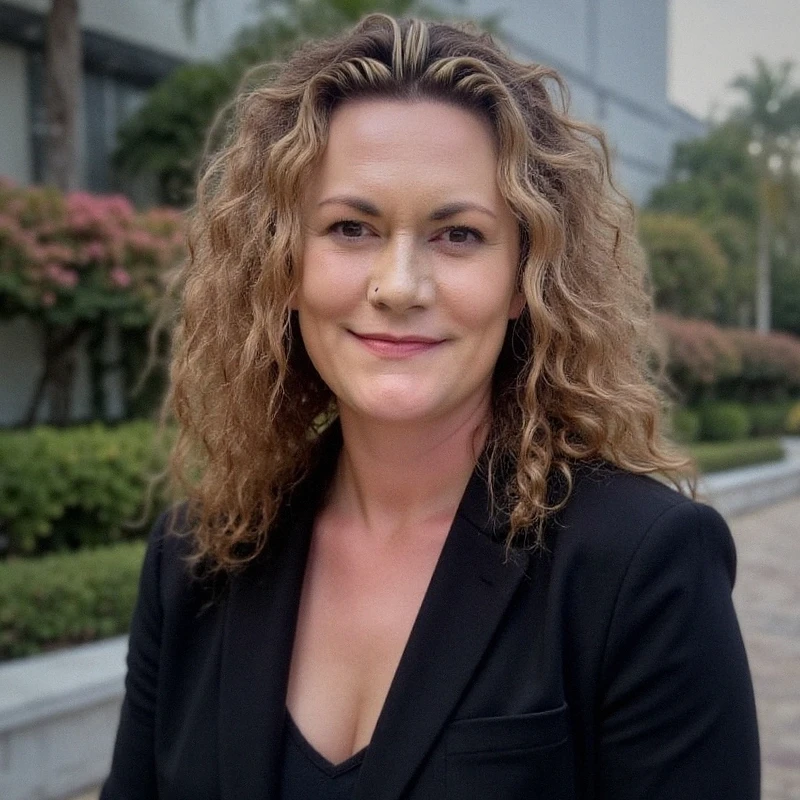
If you’re a woman in your 40s, 50s, or early 60s, you’ve probably noticed some frustrating changes. Your clothes may fit differently, your energy levels might not be what they used to be, and it feels like you gain fat faster, even if your habits haven’t changed much.
A significant reason behind this is muscle loss combined with shifting hormones. Protein is one of the most powerful, yet underused, tools you have to combat these changes.
In this post, we’ll explore:
Why protein matters so much more after 40
How much protein women aged 40–64 actually need (based on weight and activity)
How to turn that into real meals (not math problems)
How my free 7-Day Protein Recipe Guide can simplify this process

Why Protein Matters More After 40
Starting around your 40s, you naturally begin to lose muscle mass and strength each decade. This process is known as sarcopenia. It accelerates during perimenopause and menopause as estrogen levels drop. Muscle is not just for “tone”; it is metabolically active tissue. Less muscle typically leads to:
Lower resting metabolism
Easier fat gain, especially around the midsection
Higher blood sugar and insulin levels
Increased risk of weakness, falls, and frailty as you age
Research indicates that insufficient or ineffective protein intake in older adults accelerates muscle loss by impairing muscle protein synthesis. Essentially, your body doesn’t build or repair muscle as effectively as it should.[sciencedirect]
Studies focusing on older women show that a moderately higher protein intake, combined with resistance training, improves muscle mass and strength compared to lower-protein diets. This means protein is not just about looking “leaner.” It’s about protecting your metabolism, bones, balance, and independence.[pmc.ncbi.nlm.nih]
The Old RDA Is a Floor, Not a Goal
You may have seen the standard recommendation that adults need 0.8 g of protein per kilogram of body weight per day. This number was designed to prevent deficiency in generally healthy, younger, mostly sedentary adults—not to optimize body composition, metabolism, or healthy aging.
Expert groups focusing on aging and muscle health now recommend that women in midlife and beyond need more than this. The PROT‑AGE Study Group and other geriatric nutrition experts suggest at least 1.0–1.2 g/kg/day for older adults, with higher amounts for those who are active or dealing with illness, weight loss, or frailty.[ncoa]
In plain language:
0.8 g/kg/day = “bare minimum to avoid deficiency”
1.0–1.2+ g/kg/day = “where we start to see more protection for muscle and function as you age”
For women aged 40–64 who care about metabolic health and healthy aging, it makes sense to aim for that higher, evidence-supported range—especially if you’re walking, lifting weights, or trying to lose fat while preserving muscle.
How Much Protein Do You Need? (Simple Math)
Let’s make this practical. The science says:
Here’s how to personalize it:
Convert your weight to kilograms
Take your weight in pounds and divide by 2.2.
Example: 160 lbs ÷ 2.2 ≈ 73 kg.
Pick your target based on activity level
Mostly sedentary or lightly active (no regular strength training):
Aim for 1.0–1.2 g/kg/day.
For our 160‑lb (73‑kg) example: ~73–88 g/day.
Walks regularly and does some classes, yoga, or light strength work:
Aim for 1.2–1.4 g/kg/day.
Same 160‑lb woman: ~88–102 g/day.
Strength training 2–3 times per week and/or actively trying to lose fat while preserving muscle:
Aim for 1.4–1.6 g/kg/day, individualized for your health status.[pubmed.ncbi.nlm.nih]
Same 160‑lb woman: ~102–117 g/day.
Several organizations focused on older adults now highlight the 1.0–1.2 g/kg/day range as a sensible target for most adults over 50, with higher amounts (up to about 1.5–1.6 g/kg) for more active or frail individuals.[ncoa]
If you’ve been consuming around 40–60 g/day, there’s a good chance your body—and your future self—would benefit from a gentle, supported increase.
Why Per-Meal Protein Matters (Not Just the Daily Total)
As we age, there’s another factor to consider: anabolic resistance. Your muscles become less responsive to the signals that promote growth or repair.
To overcome this, research suggests two key strategies:
Eat enough total protein throughout the day.
Ensure you consume a meaningful dose at each meal, rather than just a small amount of protein scattered throughout the day.
For adults aged 50 and older, several guidelines recommend aiming for at least 25–30 g of protein per meal, sometimes even 30–35 g, to effectively stimulate muscle protein synthesis.[lifestylemedicine.stanford]
This might look like:
Breakfast: Greek yogurt with nuts and seeds, or eggs plus extra egg whites.
Lunch: A big salad with 4–5 oz of chicken, salmon, shrimp, or tofu.
Dinner: 4–6 oz of a protein source, accompanied by a fiber-rich carb and vegetables.
Many women struggle with this—especially at breakfast and lunch. A slice of toast and coffee, or a “light” salad without meaningful protein, simply won’t provide your muscles with what they need in midlife and beyond.
Turning Grams into Real Food (And Where the 7-Day Guide Comes In)
Most women do not want to weigh their food or track macros forever. That’s where simple patterns and repeatable meals become powerful.
You can think of your day like this:
Goal: 80–110+ g/day for most women aged 40–64, depending on weight and activity.
Structure: 3 meals with ~25–35 g each, plus 1–2 protein-forward snacks if needed.
Rough visual cues:
A palm-sized portion of meat, fish, or tofu (about 3–4 oz cooked) often provides ~20–30 g of protein.
1 cup of Greek yogurt adds roughly 15–20 g.
2 eggs + ½ cup egg whites can get you into the 20–25 g range.
Beans, lentils, and whole grains can fit into your diet, but often need to be combined or paired with another protein to reach that 25–30 g per meal range.
Since doing this in your head every day can be exhausting, I created a free 7-Day Protein Recipe Guide specifically for women aged 40–64.
The goal of that guide is to:
Provide you with done-for-you meals that naturally fall into the right protein range for your body.
Include quick, repeatable breakfasts and lunches so you’re not “starting over” every day.
Show you how to build both omnivorous and plant-forward plates that support:
- Muscle preservation
- Better blood sugar control
- Easier fat loss when needed
- Long-term strength and independence
You don’t have to be perfect. Even moving from, say, 50 g/day to 80–90 g/day consistently can make a meaningful difference over time for your metabolism, muscle, and overall well-being.
If you were to estimate your own protein intake right now, where do you think you stand? Which meal (breakfast, lunch, or dinner) feels like the easiest starting point for improvement?
Link to the FREE 7-Day Protein Recipe Guide: https://app.thatcleanlife.com/shares/05cd1d77-cd61-4e8e-8190-2743f64b4daa
Disclaimer: The information provided here is for educational purposes only and does not diagnose nor is meant to treat a specific condition. If you plan to change anything regarding your health plan, please discuss this with your personal physician/provider.


Comments