
Can You Truly Reverse Type 2 Diabetes Through Lifestyle Changes and Weight Loss?
Updated: Sep 18
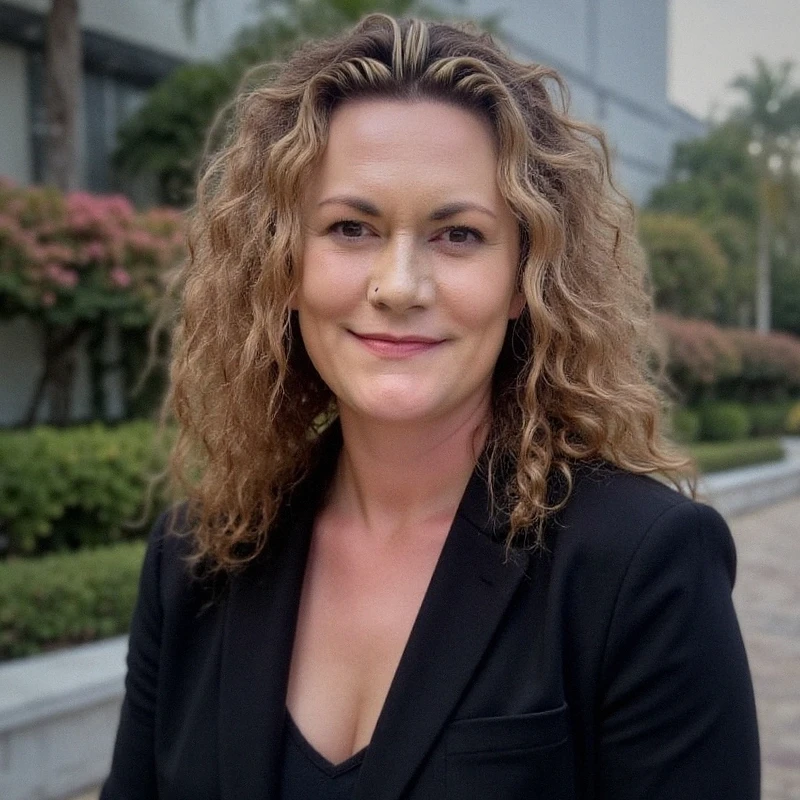
By JoBeth Augustyniak, DO
Board-Certified Family Medicine (AOBFP)
Published May 1, 2026 · Medically reviewed by JoBeth Augustyniak, DO on May 1, 2026
Type 2 diabetes affects millions worldwide, often seen as a lifelong condition requiring ongoing medication and careful management. But what if you could do more than just control it? What if you could actually reverse it? Recent scientific studies suggest that meaningful weight loss combined with targeted lifestyle changes can lead to full remission of Type 2 diabetes for many people. This post explores the science behind diabetes reversal, the key factors involved, and how you can take steps toward a metabolic reset that supports lasting health.
Understanding Diabetes Reversal and Metabolic Reset
Diabetes reversal means more than just lowering blood sugar numbers temporarily. It means achieving remission, where blood sugar levels return to normal ranges without the need for diabetes medication. This is possible through a metabolic reset—a process that improves how your body handles insulin and glucose.
The DiRECT trial from the UK is one of the most important studies in this area. It showed that nearly half of participants who lost significant weight through a structured diet and lifestyle program achieved remission of Type 2 diabetes within a year. This was not just better diabetes control; it was a true reversal.
Key factors that influence this process include:
Insulin resistance: Reducing excess fat, especially around the liver and pancreas, helps restore insulin sensitivity.
Hormonal balance: Hormones like insulin, glucagon, and others regulate blood sugar and metabolism.
Inflammation: Chronic inflammation worsens insulin resistance and metabolic health.
Gut health: The microbiome influences inflammation and metabolism.
Sustainable behavior change: Long-term success depends on habits you can maintain.
Why Weight Loss Matters More Than You Think
Weight loss is often the cornerstone of diabetes reversal. But it’s not just about dropping pounds. It’s about losing the right kind of fat—especially visceral fat stored around organs. This fat interferes with insulin function and hormone balance.
In the DiRECT trial, participants followed a low-calorie diet that led to rapid weight loss. This helped reduce fat in the pancreas and liver, allowing these organs to work properly again. Many participants were able to stop diabetes medication within months. At 12 months 46% had reversed their diabetes. At five years 18% maintained remission, meaning lifelong changes are needed. But, you first have to understand how.
You don’t have to lose an extreme amount of weight to see benefits. Studies show that losing just 10-15% of your body weight can significantly improve blood sugar control and insulin sensitivity.
The Role of Lifestyle Changes Beyond Diet
Diet is critical, but other lifestyle factors also support diabetes reversal:
Physical activity: Regular exercise improves insulin sensitivity and helps maintain weight loss.
Stress management: Chronic stress raises blood sugar and inflammation.
Sleep quality: Poor sleep disrupts hormones that regulate appetite and glucose.
Mindful eating: Paying attention to hunger and fullness cues can prevent overeating.
These changes contribute to a metabolic reset by improving how your body processes energy and reduces harmful inflammation.
Introducing the 12-Week Rewind Program
If you’re ready to take control of your metabolic health, Dr. JoBeth’s upcoming 12-Week Rewind program is designed to guide you through this process. This program focuses on intentional, sustainable lifestyle changes that target the root causes of Type 2 diabetes.
The program requires time, attention, and patience, but it offers a structured path toward diabetes reversal. You will learn how to:
Achieve meaningful weight loss safely
Improve insulin resistance through diet and exercise
Support hormonal balance and gut health
Build habits that last beyond the program
If you want to be among the first to know when enrollment opens, simply text 903-212-6778 with “12-Week Rewind” and your first name.

What You Can Do Today to Start Your Journey
You don’t have to wait for a program to begin making changes. Here are practical steps you can take now:
Track your food intake to identify patterns and areas for improvement.
Incorporate more whole foods like vegetables, lean proteins, and healthy fats.
Aim for at least 150 minutes of moderate exercise per week, such as brisk walking.
Prioritize sleep by setting a consistent bedtime and creating a restful environment.
Manage stress through techniques like meditation, deep breathing, or gentle yoga.
Remember, diabetes reversal is a journey. It requires commitment but offers the possibility of regaining control over your health.
Final Thoughts on Diabetes Reversal
Based on current research and clinical experience, reversing Type 2 diabetes is achievable for many people through a combination of weight loss, metabolic reset, and lifestyle changes. This goes beyond just managing symptoms—it means restoring your body’s ability to regulate blood sugar naturally.
Programs like the 12-Week Rewind provide a clear roadmap to help you make these changes with support and guidance. If you’re ready to move beyond diabetes control and toward true remission, taking the first step today can change your future.
For updates on the program and more tips on metabolic health, send a text to 903-212-6778 with “12-Week Rewind” and your first name. You’ll be the first to know when enrollment opens.


Comments