
Understanding the Texas Compassionate Use Program and Low-Dose THC Therapy
Updated: Sep 18
By JoBeth Augustyniak, DO
Board-Certified Family Medicine (AOBFP)
Published April 15, 2026 · Medically reviewed by JoBeth Augustyniak, DO on April 15, 2026
The Texas Compassionate Use Program (TCUP) offers hope to patients with certain medical conditions by allowing access to low-dose THC therapy. This program stands out because it provides a legal pathway for Texans to use cannabis-derived treatments under strict regulations. Understanding how this program works, who qualifies, and the laws behind it can help patients and caregivers make informed decisions about their health options.

What is the Texas Compassionate Use Program?
The Texas Compassionate Use Program is a state-regulated medical cannabis program that allows patients with qualifying conditions to access low-THC cannabis products. Established by the Texas Legislature in 2015, the program was designed to provide relief for patients who have not found success with traditional treatments.
The program permits the use of cannabis products containing no more than 0.5% tetrahydrocannabinol (THC), the psychoactive compound in cannabis. This low-dose THC therapy is intended to provide therapeutic benefits without the strong psychoactive effects associated with higher THC levels.
The program is overseen by the Texas Department of Public Safety (DPS), which maintains the Compassionate Use Registry of Texas (CURT). This registry tracks patient eligibility and ensures compliance with the program’s regulations.
How Low-Dose THC Therapy Works
Low-dose THC therapy involves the use of cannabis products that contain minimal amounts of THC, combined with other cannabinoids like cannabidiol (CBD). This approach aims to deliver symptom relief while minimizing the risk of intoxication or impairment.
Patients typically receive these products in forms such as oils, tinctures, or capsules. The low THC content means patients can manage symptoms like chronic pain, muscle spasms, or seizures without experiencing the "high" commonly linked to cannabis use.
Research suggests that low-dose THC can help reduce inflammation, ease muscle spasms, and improve quality of life for certain neurological and chronic conditions. However, the therapy is not a cure but a supportive treatment option.
Who Qualifies for the Texas Compassionate Use Program?
The program is limited to patients with specific qualifying conditions. These include:
Intractable epilepsy
Multiple sclerosis (MS)
Spasticity
Amyotrophic lateral sclerosis (ALS)
Autism
Terminal cancer
Neurodegenerative diseases such as Parkinson’s disease and Alzheimer’s disease
Post-traumatic stress disorder (PTSD)
Chronic Pain
Inflammatory bowel diseases
Patients must be Texas residents and have a diagnosis from a qualified physician registered with CURT with the Texas Department of Public Safety. The physician evaluates the patient’s medical history and determines if low-dose THC therapy is appropriate.
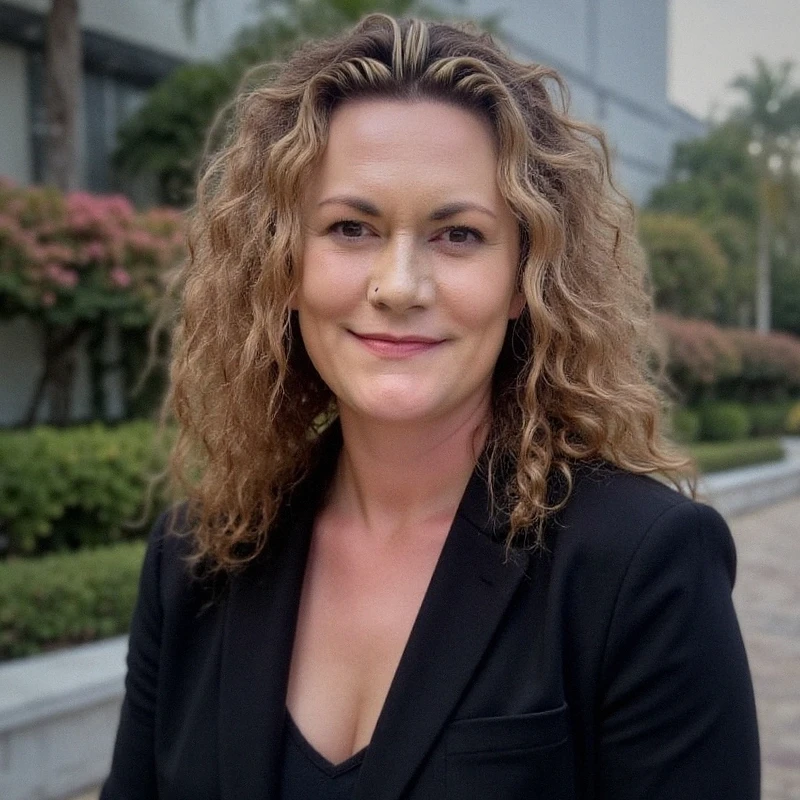
Dr. JoBeth Augustyniak is now registered with the Compassionate Use Registry of Texas. She provides evaluations and helps patients understand if they qualify for the program. Her role is crucial in guiding patients through the application process and ensuring they meet the legal requirements.
Laws Surrounding the Use of Low-Dose THC in Texas
Texas law strictly regulates the use of cannabis products under the Compassionate Use Program. Key legal points include:
THC content must not exceed 0.5% by weight.
Only patients with qualifying conditions can legally obtain and use low-THC cannabis products.
Physicians must be registered with CURT to recommend treatment.
Patients must be registered in the Compassionate Use Registry of Texas.
Possession or use of cannabis outside the program remains illegal and subject to criminal penalties.
The program does not allow smoking cannabis. Instead, it permits forms like oils, tinctures, and capsules. This restriction aims to reduce risks associated with smoking and maintain control over dosage.
The Texas Legislature continues to review and update the program. Recent discussions have focused on expanding qualifying conditions and increasing THC limits, but any changes require legislative approval.
The Role of Physicians in the Program
Physicians play a vital role in the Texas Compassionate Use Program. They must:
Be registered with the Compassionate Use Registry of Texas.
Conduct thorough evaluations of patients’ medical histories.
Confirm the diagnosis of a qualifying condition.
Determine if low-dose THC therapy is appropriate.
Register patients in the CURT system.
Dr. JoBeth Augustyniak is an example of a physician who supports patients through this process. She helps patients understand the benefits and limitations of low-dose THC therapy and ensures compliance with state laws. Dr. Augustyniak does not provide "quick card" services. Her approach is thorough and thoughtful, and comprehensive through secure telemedicine platform to patients throughout the state of Texas.
Physicians also monitor patients’ progress and adjust treatment plans as needed. This ongoing care helps maximize the therapy’s effectiveness while minimizing potential side effects. Dr. Augustyniak recommends 1-2 follow-ups after the initial prescription to monitor effectiveness, safety, and guide adjustments.
Benefits and Limitations of Low-Dose THC Therapy
Low-dose THC therapy offers several benefits for patients with qualifying conditions:
Symptom relief: Helps reduce pain, muscle spasms, and seizures.
Non-intoxicating: Low THC levels reduce the risk of feeling "high."
Legal access: Provides a safe, regulated way to use cannabis-derived products.
Alternative treatment: Offers options when traditional medications fail or cause side effects.
However, there are limitations to consider:
Limited qualifying conditions: Not all patients with chronic illnesses qualify.
Restricted THC levels: Some patients may require higher doses for relief, which are not allowed.
No smoking allowed: Limits the forms of cannabis patients can use.
Ongoing research needed: More studies are required to fully understand long-term effects and optimal dosing.
Patients should discuss these factors with their healthcare provider to determine if low-dose THC therapy fits their treatment plan.
How to Apply for the Texas Compassionate Use Program
Applying for the program involves several steps:
Consult a registered physician: Schedule telemedicine evaluation with a doctor like Dr. JoBeth Augustyniak who is registered with CURT. You can find more information about Low-dose THC therapy and schedule a telemedicine appointment with Dr. Augustyniak by visiting her website: https://www.attunedirectcare.com and looking into the Compassionate Use Program.
Confirm diagnosis: The physician reviews medical records and confirms a qualifying condition.
Register with CURT: The physician submits the patient’s information to the Compassionate Use Registry of Texas.
Obtain low-THC cannabis products: Once approved, patients can purchase products from licensed dispensaries in Texas.
Patients should keep in mind that the process requires documentation and adherence to state rules. Working with an experienced physician streamlines the application and ensures compliance.
Practical Examples of Low-Dose THC Therapy Use
A patient with multiple sclerosis experiences severe muscle spasms. Traditional muscle relaxants cause unwanted side effects. Low-dose THC oil helps reduce spasms and improves mobility without sedation.
A child with intractable epilepsy has frequent seizures despite medication. Low-dose THC tincture reduces seizure frequency and improves quality of life.
A cancer patient undergoing chemotherapy suffers from nausea and pain. Low-dose THC capsules help manage symptoms and support appetite.
These examples show how the program can provide meaningful relief for patients with serious conditions.
Comprehensive care looks at the whole person, and considers all available therapies to improve patients' lives.


Comments