
Direct Care Versus Insurance: Understanding Your Healthcare Options
Updated: Sep 18
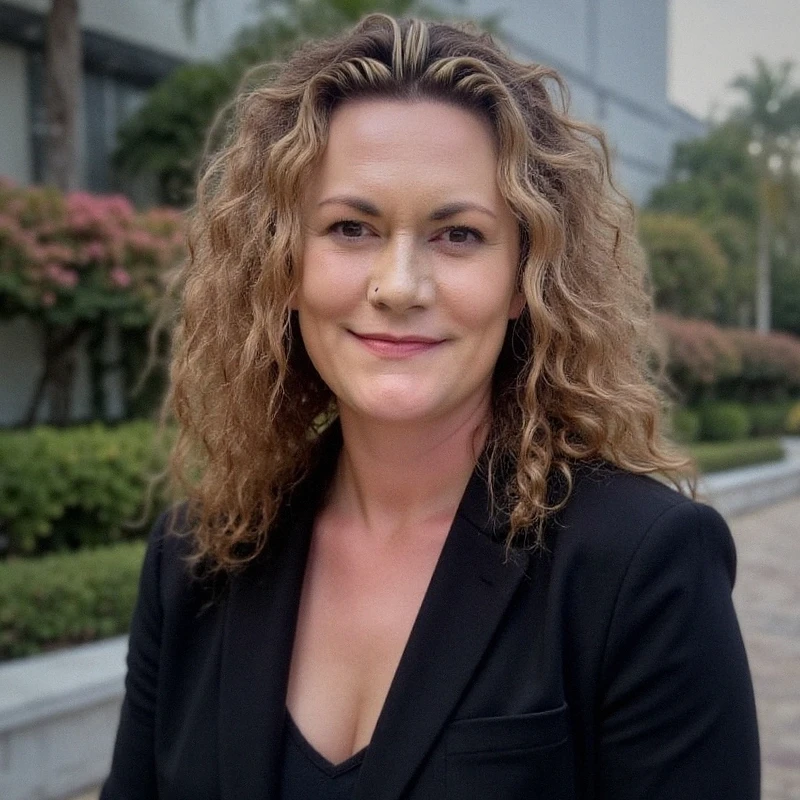
By JoBeth Augustyniak, DO
Board-Certified Family Medicine (AOBFP)
Published March 10, 2026 · Medically reviewed by JoBeth Augustyniak, DO on March 10, 2026
When it comes to managing your health, the choices can feel overwhelming. Over the years, I have seen many patients struggle to find a healthcare model that fits their needs, lifestyle, and budget. Two common options that often come up are direct primary care and traditional insurance-based care. Both have their merits, but they operate very differently. I want to share my perspective as a physician who values time, connection, and comprehensive care, to help you understand these options better.
Exploring Direct Care Versus Insurance: What You Need to Know
In traditional insurance-based healthcare, your visits to the doctor are typically billed to an insurance company. This system often involves co-pays, deductibles, and a network of providers you must navigate. It can sometimes feel rushed, with limited time to discuss your health concerns fully.
Direct primary care (DPC), on the other hand, is a membership-based model. You pay a flat monthly or annual fee directly to your primary care provider. This fee covers most primary care services without additional charges for each visit or procedure. The goal is to foster a more personal, accessible, and preventive approach to your health.
Here are some key differences I often discuss with my patients:
Time with your doctor: In DPC, appointments are longer and more relaxed. I can listen carefully, answer your questions, and tailor care to your unique needs.
Cost transparency: You know upfront what you pay each month, without surprise bills or confusing insurance claims.
Access and convenience: Many DPC practices offer same-day or next-day appointments, direct communication via phone or email, and fewer barriers to care.
Scope of services: While DPC covers most primary care needs, it does not replace insurance for specialist visits, hospitalizations, or emergencies.

Understanding these differences can help you decide which model aligns best with your health goals and financial situation.
Is Direct Primary Care Worth It If You Have Insurance?
This is a question I hear frequently. Many people wonder if paying for direct primary care makes sense when they already have insurance. My answer is nuanced because it depends on your personal health needs and preferences.
If you have insurance with high deductibles or limited primary care coverage, DPC can be a valuable complement. It offers you more time with your doctor and easier access to care without worrying about co-pays or billing hassles. For example, if you want to focus on preventive care, chronic disease management, or simply have a doctor who knows you well, DPC can enhance your healthcare experience.
However, DPC does not replace insurance for major medical events. You still need insurance for hospital stays, surgeries, or specialist care. Think of DPC as your healthcare home base, where you get personalized attention and proactive care, while insurance covers the bigger, less frequent expenses.
If you are generally healthy and want to avoid the complexity of insurance for routine care, DPC might be a good fit. But if you have complex medical needs or prefer the traditional insurance system, sticking with insurance alone may be better.
How Direct Primary Care Supports a Holistic Approach to Health
One of the most rewarding aspects of practicing direct primary care is the ability to see the whole person. I don’t just treat symptoms; I work with you to understand your lifestyle, stressors, and goals. This approach allows me to provide care that is truly personalized.
For example, if you come in with high blood pressure, we don’t just prescribe medication and send you on your way. We discuss your diet, exercise habits, sleep patterns, and emotional well-being. We set realistic goals together and schedule follow-ups to track your progress. This kind of care takes time, which is often not possible in traditional insurance-based visits.
In DPC, I can also spend time educating you about preventive measures, such as vaccinations, screenings, and healthy habits. This proactive care can help you avoid costly and stressful health problems down the road.

If you value a collaborative relationship with your doctor and want to be an active participant in your health, direct primary care offers a supportive environment.
Practical Tips for Choosing Between Direct Primary Care and Traditional Insurance
Deciding between direct primary care and traditional insurance is a personal choice. Here are some practical tips to help you make an informed decision:
Assess your health needs: Consider your current health status, chronic conditions, and how often you visit a doctor.
Review your insurance plan: Look at your premiums, deductibles, co-pays, and network restrictions.
Evaluate your budget: Calculate the total cost of insurance plus out-of-pocket expenses versus a DPC membership fee plus insurance for major events.
Consider your preferences: Do you want longer visits, easier access, and a closer relationship with your doctor?
Ask questions: If you are considering DPC, ask the provider about what services are included, how communication works, and how they coordinate care with specialists.
Think about emergencies: Remember that DPC is not a substitute for insurance in emergencies or hospital care.
By weighing these factors, you can choose the model that best supports your health and peace of mind.
Embracing a Healthier Future with Informed Choices
Healthcare is evolving, and models like direct primary care offer new ways to connect with your doctor and manage your health. Whether you choose traditional insurance or direct primary care, the most important thing is that you feel supported and empowered in your healthcare journey.
If you want to learn more about the differences and benefits, I encourage you to explore resources on direct primary care vs insurance to deepen your understanding.
Remember, your health is a lifelong journey. Finding the right care model is a step toward living well and staying healthy.
I hope this perspective helps you feel more confident in navigating your healthcare options. If you have questions or want to discuss your specific situation, don’t hesitate to reach out to a trusted healthcare provider who can guide you with care and expertise.


Comments